
Introduction
Getting paid efficiently is one of the most important parts of running a successful freelance business. You can be highly skilled at writing, design, development, consulting, marketing, or any other freelance service, but if your invoicing and payment system is disorganized, your cash flow will eventually suffer.
Many freelancers lose time and money because they:
- Send unclear invoices
- Use inefficient payment methods
- Forget payment follow-ups
- Mix personal and business finances
- Fail to automate payment tracking
- Use disconnected banking systems
Late payments, confusing invoice records, and poor banking workflows create unnecessary stress that can damage both profitability and client relationships.
The good news is that modern online banking and invoicing tools make freelance payment management much easier than before.
With the right setup, freelancers can:
- Get paid faster
- Reduce payment friction
- Improve financial organization
- Simplify taxes and bookkeeping
- Track income more accurately
- Appear more professional to clients
This guide explains exactly how freelancers can invoice clients and receive payments through their bank account efficiently in 2026, including setup steps, tools, best practices, common mistakes, and strategies to improve payment speed.
Why Freelancers Should Use Bank-Based Payment Workflows
A professional invoicing and banking system does much more than simply collect money.
It creates structure for your entire freelance business.
Benefits of a Professional Invoicing Workflow
Using a dedicated bank-based payment system helps freelancers:
- Receive payments faster
- Maintain cleaner bookkeeping
- Prepare taxes more easily
- Build client trust
- Reduce payment confusion
- Improve cash-flow visibility
Clients are more likely to pay quickly when invoices look professional and payment instructions are clear.
Why Payment Friction Delays Freelance Income
Clients often delay payments when:
- Payment instructions are confusing
- Too few payment options are available
- Invoices look unprofessional
- Bank details are missing
- Currency information is unclear
Reducing friction improves collection speed significantly.
Step 1: Open a Dedicated Business Bank Account
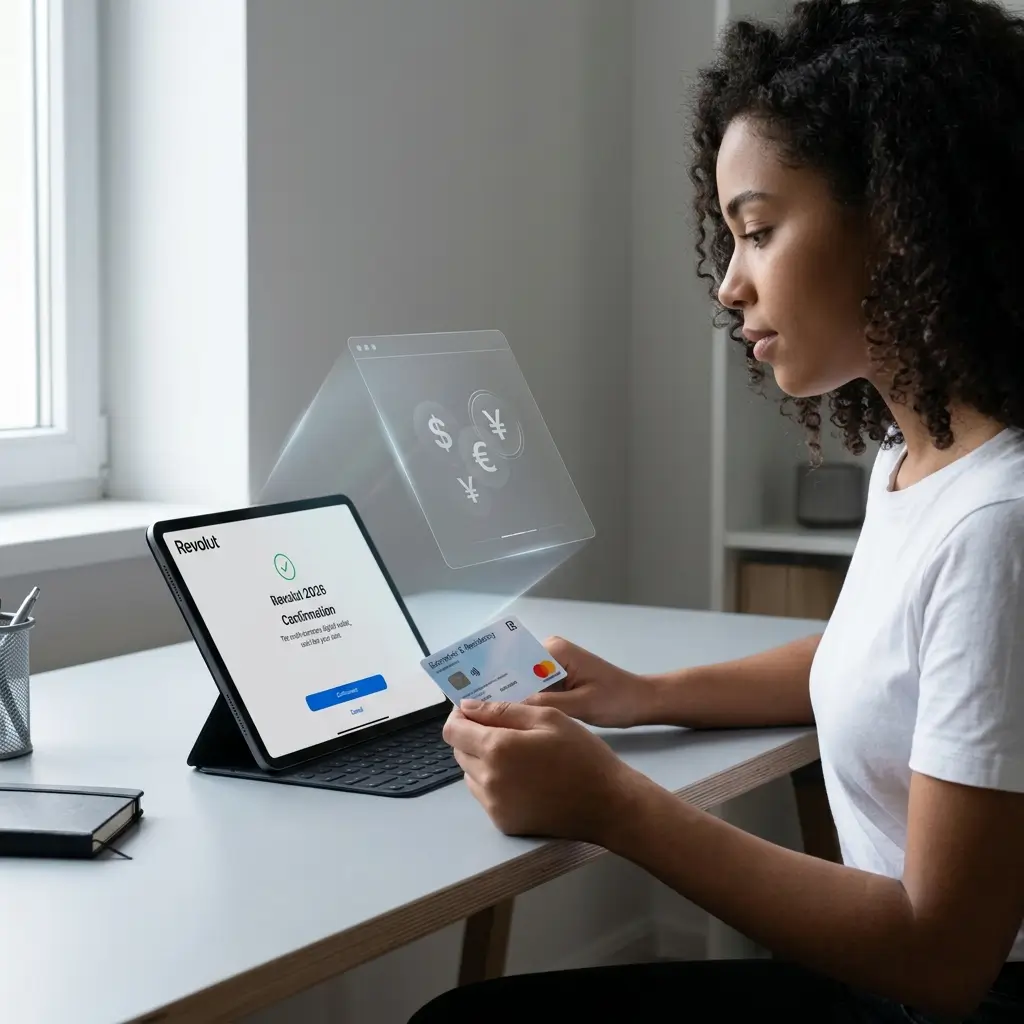
Before creating invoices, freelancers should separate business and personal finances.
A dedicated business account creates a more professional financial foundation.
Why Freelancers Need Separate Accounts
Mixing freelance income with personal spending creates problems for:
- Bookkeeping
- Tax reporting
- Cash-flow analysis
- Expense tracking
- Financial planning
A business account improves organization immediately.
Benefits of a Dedicated Business Bank Account
Freelancers benefit from:
- Cleaner accounting records
- Better tax preparation
- More professional client payments
- Easier revenue tracking
- Better financial visibility
Dedicated accounts also make future business growth easier.
Online Banks vs Traditional Banks
Many freelancers now use:
- Online business banks
- Fintech banking platforms
- Multi-currency accounts
because they often provide:
- Lower fees
- Faster international transfers
- Better mobile apps
- Easier integrations
Traditional banks may still work well for freelancers needing physical branch access.
Step 2: Choose an Invoicing Method
Freelancers can invoice clients in several different ways depending on business size and workflow complexity.
Manual Invoicing
Some freelancers create invoices manually using:
- Microsoft Word
- Google Docs
- Excel
- Spreadsheets
Advantages of Manual Invoicing
Benefits include:
- Free setup
- Full customization
- Simple for very small workloads
Disadvantages of Manual Invoicing
However, manual systems often become inefficient because they are:
- Time-consuming
- Difficult to track
- Less professional
- Harder to automate
As freelance income grows, manual invoicing usually becomes harder to manage.
Accounting and Invoicing Software
Most professional freelancers eventually use dedicated invoicing tools.
Popular options include:
Advantages of Invoicing Software
These tools offer:
- Professional invoice templates
- Automated reminders
- Payment tracking
- Tax reporting
- Expense categorization
- Client management
Automation saves freelancers significant administrative time.
Why Automation Matters
Modern invoicing platforms help freelancers:
- Track overdue invoices
- Monitor revenue
- Export reports
- Integrate banking systems
This creates a more scalable business structure.
Freelance Platform Billing
Platforms such as:
automatically handle invoicing and payment processing.
Advantages of Platform Billing
Benefits include:
- Built-in client payment systems
- Escrow protection
- Simplified billing
Disadvantages of Platform Billing
However, platforms also involve:
- Service fees
- Reduced control
- Platform restrictions
Independent freelancers often prefer direct invoicing systems long term.
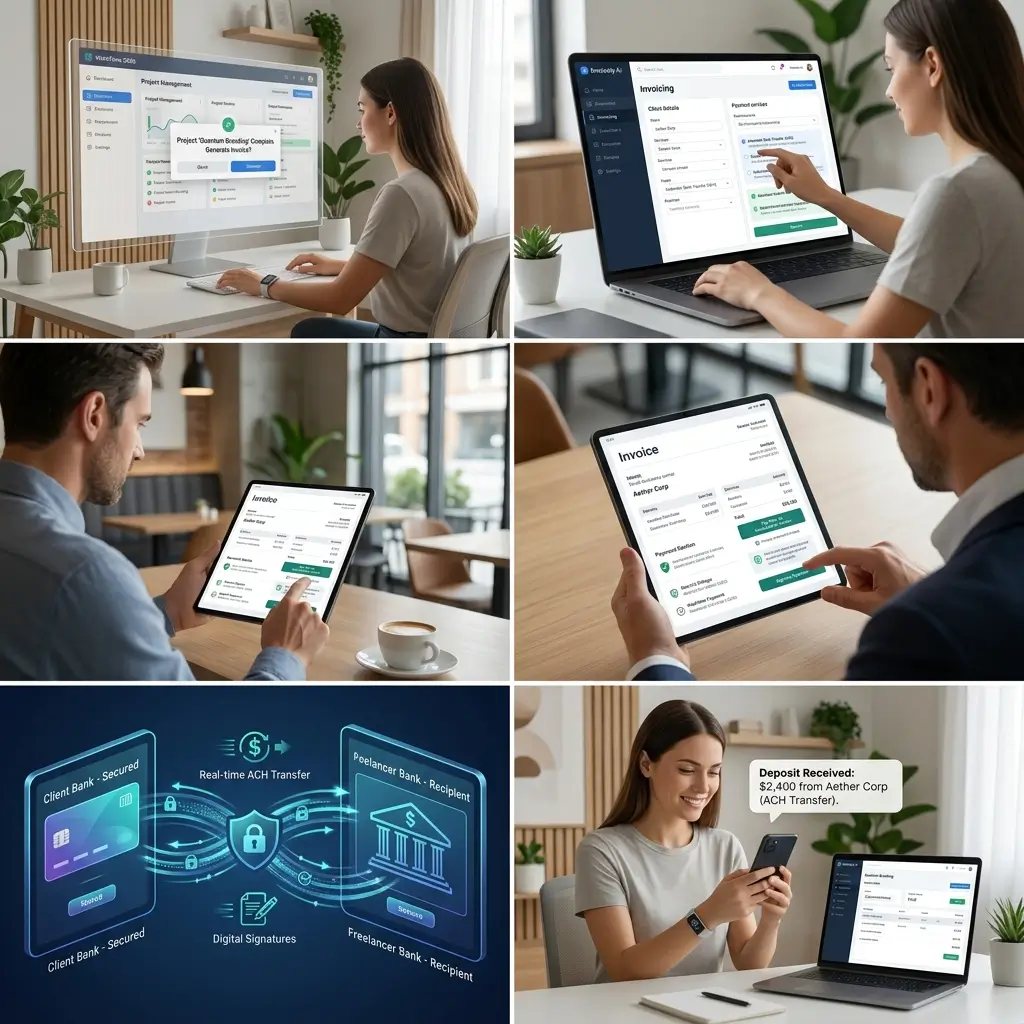
Step 3: Connect Payment Processors to Your Bank Account
Once invoicing is set up, freelancers need payment methods connected directly to their bank account.
The easier clients can pay, the faster payments usually arrive.
Common Payment Methods Freelancers Use
Popular options include:
Why Flexible Payment Options Matter
Clients have different preferences depending on:
- Country
- Company policies
- Banking systems
- Currency requirements
Multiple options reduce payment delays.
Connect Processors Directly to Business Banking
Integrated systems improve:
- Cash-flow visibility
- Revenue tracking
- Bookkeeping automation
- Payment reconciliation
Disconnected systems create unnecessary manual work.
Step 4: Include Essential Invoice Information
A professional invoice should be clear, complete, and easy for clients to process.
Missing information often causes payment delays.
Information Every Freelance Invoice Should Include
Professional invoices usually contain:
- Business name
- Logo (optional)
- Client name/company
- Unique invoice number
- Invoice date
- Due date
- Service description
- Quantity or hours worked
- Pricing details
- Total amount due
- Payment instructions
- Banking/payment details
- Late payment terms
Clear formatting improves professionalism.
Use Unique Invoice Numbers
Invoice numbers help freelancers:
- Track payments
- Organize records
- Simplify bookkeeping
- Reduce confusion
Consistent numbering systems improve organization significantly.
Write Clear Service Descriptions
Avoid vague descriptions such as:
“Freelance work”
Instead, specify:
- Services delivered
- Hours worked
- Project milestones
- Deliverables completed
Clear descriptions reduce disputes.
Step 5: Add Clear Bank Payment Instructions
If clients pay through direct bank transfer, payment instructions must be accurate and easy to follow.
Even small mistakes can delay payments.
Information to Include for Bank Transfers
Depending on your country and payment type, include:
- Bank name
- Account holder name
- Account number or IBAN
- SWIFT/BIC code
- Routing number
- Currency accepted
- Payment reference instructions
Double-check all details carefully before sending invoices.
Specify Accepted Currency Clearly
Freelancers working internationally should clearly state:
- Invoice currency
- Payment currency
- Accepted conversion methods
This reduces FX confusion.
Explain Reference Instructions
Ask clients to include:
- Invoice number
- Project reference
- Business name
in payment references for easier tracking.
Step 6: Automate Payment Reminders
Late payments are extremely common in freelancing.
Many clients simply forget to pay invoices on time.
Automated reminders improve collection rates dramatically.
Recommended Reminder Schedule
Freelancers often send reminders:
- 3 days before due date
- On due date
- 3 days overdue
- 7 days overdue
Automation reduces awkward manual follow-ups.
Why Automated Reminders Work
Clients are busy.
Reminder systems:
- Keep invoices visible
- Encourage timely action
- Maintain professional communication
Most invoicing software includes automation tools.
Stay Professional During Follow-Ups
Even overdue reminders should remain:
- Polite
- Clear
- Professional
Aggressive communication may damage client relationships unnecessarily.
Step 7: Track Payments Properly
Freelancers should monitor every invoice carefully.
Good tracking improves financial stability and prevents cash-flow surprises.
What Freelancers Should Track
Monitor:
- Sent invoices
- Paid invoices
- Overdue invoices
- Partial payments
- Processing fees
- Refunds or disputes
Consistent tracking improves long-term financial visibility.
Why Payment Tracking Matters
Freelancers who fail to track invoices often experience:
- Missed payments
- Revenue confusion
- Tax problems
- Cash-flow instability
Professional systems reduce these risks significantly.
Best Practices to Get Paid Faster
Experienced freelancers often follow several payment optimization strategies.
Invoice Immediately
One of the biggest freelance payment mistakes is waiting too long to invoice.
Send invoices:
- Immediately after project completion
- At milestone completion
- On scheduled billing dates
Faster invoicing usually leads to faster payment.
Offer Multiple Payment Methods
Clients appreciate flexibility.
Providing options such as:
- Bank transfer
- Card payment
- PayPal
- Stripe
reduces payment friction significantly.
Use Short Payment Terms
Shorter payment terms often improve cash flow.
Many freelancers prefer:
- Net 7
- Net 14
instead of longer Net 30 terms.
Request Deposits for Larger Projects
For large projects, request upfront deposits such as:
- 25%
- 50%
This protects cash flow and reduces project risk.
Add Late Fees
Late payment clauses encourage timely payment behavior.
Freelancers should define late fee terms clearly in contracts and invoices.
Common Invoicing Mistakes Freelancers Should Avoid
Many payment delays come from avoidable invoicing errors.
Missing Payment Instructions
Clients cannot pay efficiently if instructions are incomplete.
Always verify banking details carefully.
Vague Service Descriptions
Unclear invoices may create confusion or disputes.
Specific descriptions improve approval speed.
Incorrect Calculations
Wrong totals damage professionalism and delay payments.
Double-check:
- Rates
- Hours
- Taxes
- Totals
before sending invoices.
Sending Invoices Late
Delayed invoicing creates delayed cash flow.
Consistent billing habits matter.
Failing to Follow Up
Many unpaid invoices simply require reminders.
Ignoring overdue invoices hurts revenue unnecessarily.
Mixing Personal and Business Finances
Dedicated business banking improves organization and professionalism significantly.
Recommended Invoicing Tools for Freelancers
Several invoicing platforms work especially well for freelancers.
QuickBooks
Best for:
- Full accounting
- Tax tracking
- Advanced reporting
FreshBooks
Best for:
- Freelancers
- Automated invoicing
- Time tracking
Wave
Best for:
- Free invoicing
- Small freelance businesses
Stripe Invoicing
Best for:
- Card payments
- Online businesses
- Automated payment collection
Wise Business
Best for:
- International freelancers
- Multi-currency payments
- Lower FX costs
How International Freelancers Can Get Paid Efficiently
Global freelancers face additional payment complexity.
Use Multi-Currency Accounts
Holding balances in:
- USD
- EUR
- GBP
helps reduce forced conversions.
Accept Local Receiving Accounts
Some fintech platforms provide local bank details in major countries.
This improves:
- Payment speed
- Client convenience
- Fee efficiency
Monitor FX Fees Carefully
Currency conversion costs quietly reduce profits.
Always compare:
- Exchange rates
- Hidden spreads
- Withdrawal costs
before converting funds.
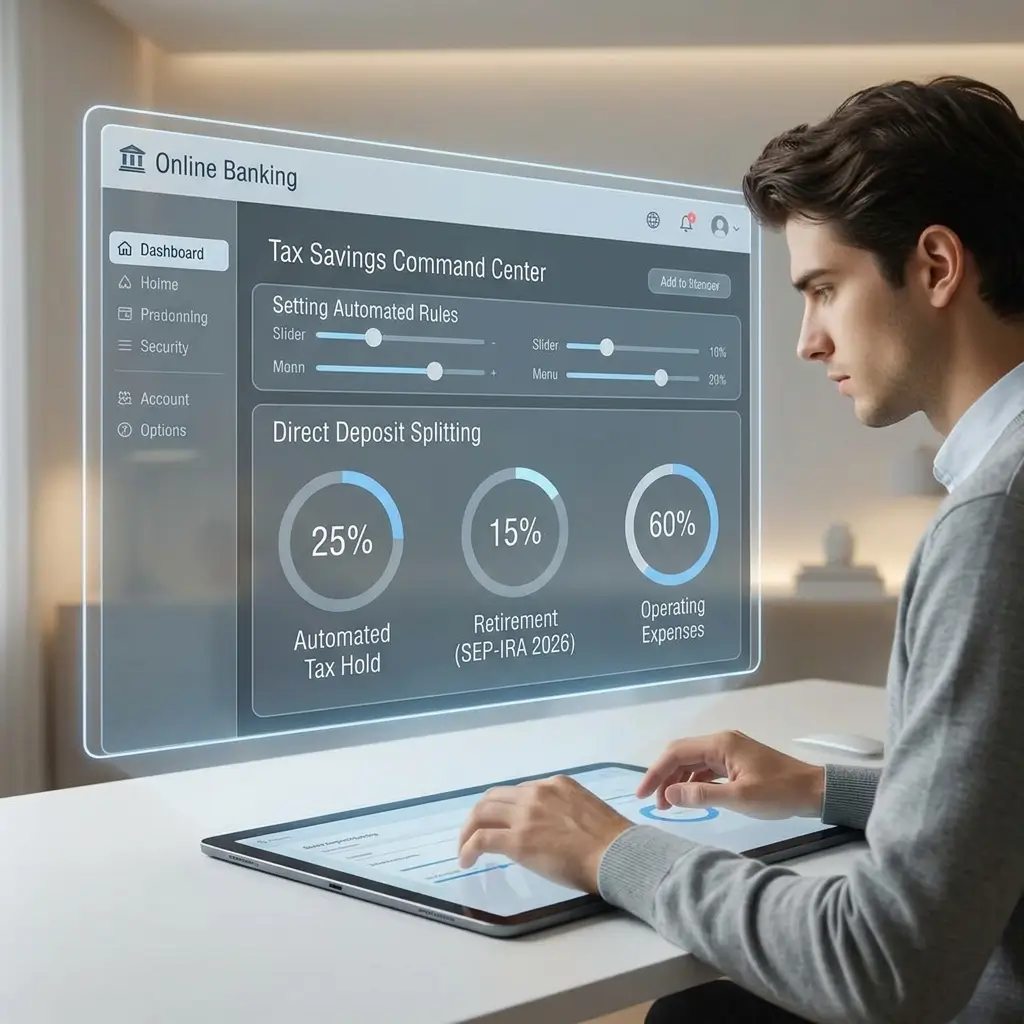
Tax and Bookkeeping Considerations
Your invoicing system should support accurate financial reporting.
Strong Systems Should Include
- Revenue categorization
- Expense tracking
- Tax estimates
- Exportable reports
- Audit trails
Organized records reduce tax stress significantly.
Why Professional Bookkeeping Matters
Freelancers with organized financial systems experience:
- Easier tax filing
- Better profit visibility
- Cleaner audits
- Stronger financial decision-making
Good invoicing systems support long-term business growth.
Final Thoughts
Learning how to invoice clients and receive payments through your bank account is one of the most important operational skills freelancers can develop.
A professional payment workflow helps freelancers:
- Get paid faster
- Improve client trust
- Maintain cleaner records
- Simplify taxes
- Reduce financial stress
The ideal freelance invoicing system combines:
- A dedicated business bank account
- Reliable invoicing software
- Connected payment processors
- Automated reminders
- Clear payment policies
When your invoicing and banking systems work smoothly together, your freelance business becomes easier to manage, more scalable, and far more profitable.
In 2026, successful freelancers are not only skilled service providers.
They are also financially organized business owners who build efficient systems around how money flows through their business.
Frequently Asked Questions
Can freelancers use personal bank accounts for payments?
Yes, but dedicated business accounts are usually better for bookkeeping, taxes, and professionalism.
What is the best payment method for freelance invoices?
Bank transfers are often preferred for larger payments, while platforms like Stripe and PayPal offer convenience and flexibility.
How quickly should clients pay freelance invoices?
Common payment terms include:
- Net 7
- Net 14
- Net 30
Shorter terms usually improve cash flow.
Should freelancers charge late fees?
Many freelancers include late payment fees, especially for larger contracts or long-term client work.